

UploadArticle com hot is a search phrase people may use when they are trying to understand an unfamiliar publishing or article-submission website. The phrase does not, by itself, prove that a platform is popular, legitimate, or right for a particular project. It is simply a useful starting point for a careful check. This guide explains how to evaluate a site before you create an account, upload a draft, share personal details, or rely on it for visibility.
Online publishing can be wonderfully accessible. A creator can turn an idea into a public article, portfolio piece, announcement, or resource without needing a traditional publisher. The trade-off is that not every platform offers the same editorial standards, privacy practices, audience, or long-term value. A little due diligence helps you publish with more confidence.
What does “UploadArticle com hot” mean?
Searches for a name plus a word such as “hot,” “review,” “safe,” or “real” often signal a simple question: what is this site, and should I use it? The wording may reflect a site name, an article title, a trend, or a referral someone saw elsewhere. Because a search phrase can be vague, the sensible response is not to assume a single meaning. Instead, look at the platform’s own pages and judge what you can verify.
Start with the homepage, About page, terms of service, privacy policy, and contact information. A legitimate publishing service should make it reasonably clear what it does. Is it a guest-post marketplace, a community blog, a press-release distributor, a document host, or a submission tool? Those are different services with different expectations. A site that accepts articles may still not be an editorial publication, and a platform that promises distribution may not guarantee readers or search visibility.
Begin with the purpose, not the promise
Before opening an account, write down what you want from publishing. You might want a place to share a personal essay, demonstrate expertise, earn a byline, reach a defined audience, build a portfolio, or create a linkable resource. A clear goal makes it easier to tell whether a platform is a fit.
Be especially cautious with broad claims such as “instant traffic,” “guaranteed rankings,” “viral exposure,” or “thousands of backlinks.” No responsible service can guarantee how people, search engines, or social networks will respond to a new article. Healthy platforms explain their process, audience, and limits. They do not need to make impossible promises to be useful.
Questions that clarify your goal
- Who do you hope will read the article?
- Is a public byline, an author page, or editorial feedback important?
- Do you need control over updates, deletion, or republishing rights?
- Will you include work samples, client information, affiliate links, or personal details?
- Are you looking for visibility, a permanent archive, or simply a convenient draft-sharing tool?
These answers help you compare a platform’s features with your needs instead of choosing based on a catchy phrase or an unfamiliar recommendation.
How to check a publishing platform’s credibility
A credibility check does not require detective work. It is a practical review of the information available to any visitor. Look for consistency: the name in the footer should match the terms and privacy pages; the contact channel should work; and the site’s stated purpose should match the material it publishes.
1. Read the editorial and submission guidelines
Guidelines reveal a lot. Strong publishing sites describe their subject areas, formatting rules, attribution expectations, prohibited material, and review process. They may say whether submissions are edited, whether sponsored content is labeled, and whether the site can reject or remove articles. Even a simple community site should explain basic standards.
If there are no guidelines, no explanation of moderation, and no indication of who is responsible for the content, treat the platform as an unvetted outlet. That does not automatically mean it is harmful. It means you should avoid giving it your best exclusive work or sensitive information until you understand the risks.
2. Inspect policy pages carefully
Policies are not glamorous, but they answer important questions. The terms of service should explain ownership, licenses, acceptable use, dispute procedures, and account rules. The privacy policy should identify what information is collected, why it is collected, and whether it may be shared with service providers or advertisers. If the site asks for payment, look for transparent pricing, refund terms, and a secure checkout process.
Pay close attention to rights language. Some platforms request a nonexclusive license so they can display your article, which is common. Others may seek broad, perpetual rights. That may be acceptable for a particular submission, but you should know it before you publish. Do not assume you can remove or republish a piece later without checking the agreement.
3. Check the quality of existing content
Browse recent articles rather than relying on a single polished landing page. Are posts dated? Are author names visible? Do articles have clear topics and readable formatting? Is there an obvious mix of useful information and transparently labeled sponsored material? A site filled with copied text, repetitive pages, misleading headlines, or unrelated outbound links is not an ideal home for original work.
Look for signs of stewardship too. Broken navigation, abandoned social accounts, or years-old notices do not necessarily prove a site is unsafe, but they can indicate that support and maintenance are limited. If the platform is central to your business or portfolio, choose one with a record of ongoing care.
Protect your work before you upload
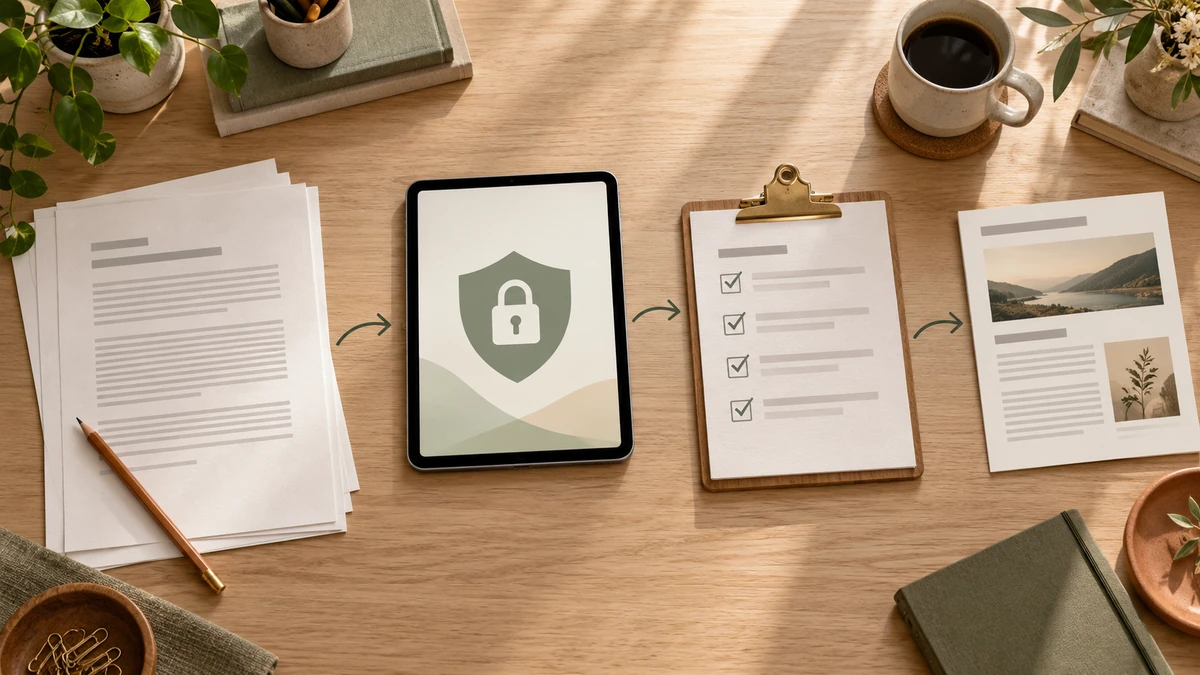
The safest publishing habit is to keep your own master copy. Save the article in a document you control, along with original images, source notes, publication dates, and any correspondence about rights. A platform outage, account change, or editorial removal should not erase your only copy.
Use a distinct password for every account and enable two-factor authentication when it is available. Avoid sharing passwords by email or chat. If a site requests information that is unrelated to publishing—such as identity documents, bank details, or access to unrelated accounts—pause and determine whether the request is truly necessary. A basic article submission rarely needs more than an email address and author profile.
Use images responsibly
Only upload images you created, properly licensed images, or media you have permission to use. Keep a record of licenses and creator credits. If the platform compresses or republishes images, check whether its terms allow that and whether alt text is retained. Descriptive alt text makes the article more useful for readers using assistive technology and provides context when an image cannot load.
A practical checklist for an unfamiliar article site
When researching UploadArticle com hot or any unfamiliar publishing destination, use this short checklist. It is designed to slow down impulsive publishing without making the process complicated.
- Confirm the exact domain. Similar-looking names can lead to different websites. Type the address yourself rather than following a suspicious link.
- Identify the service. Decide whether it is a publication, submission directory, content host, marketplace, or promotional tool.
- Read the policies. Review terms, privacy, copyright, and any payment information before submitting work.
- Review recent posts. Check whether the content quality and audience align with your goals.
- Search for independent mentions. Look for a range of experiences, remembering that anonymous comments and reviews can be incomplete or biased.
- Protect your original files. Keep local copies, image licenses, and publication records.
- Submit a low-risk test first. If appropriate, start with a short nonexclusive piece instead of your most valuable work.
One red flag does not always settle the question, but several unresolved concerns should guide you toward a better-known alternative. Trust is built from transparent details, predictable behavior, and respect for creators—not from urgency.
How to write an article that works wherever it is published
Once you have chosen a suitable destination, focus on the reader. An effective article begins with a clear problem or question, then offers organized, specific help. Use a descriptive headline, an introduction that explains the benefit, and headings that make scanning easy. Short paragraphs, examples, and carefully chosen lists improve readability without padding the piece.
Originality matters. Do not copy a competitor’s structure sentence by sentence or reuse text without permission. Instead, research the subject, form your own practical angle, and cite or link to sources when appropriate. If you are sharing an opinion, identify it as an opinion. If you are making a factual claim, make sure you can support it.
For discoverability, use a relevant phrase naturally in the title, introduction, and one or two headings only where it helps readers understand the topic. Repeating a keyword unnaturally makes prose harder to trust. Search-friendly writing is reader-friendly writing: clear language, relevant detail, honest expectations, and a useful answer.

When to choose a different platform
You do not need to publish everywhere. Consider another option if the site hides basic ownership information, lacks a usable policy page, pressures you to act immediately, requires disproportionate personal data, or gives you unclear rights to your own writing. The same applies if the existing content conflicts with your values or audience.
Alternatives can include your own website, an established blogging platform, a niche publication with named editors, a professional association, or a client-approved content hub. The best choice depends on your purpose. Owning your main publishing home while sharing selected work elsewhere often gives you a good balance of control and reach.
Make a confident decision
Researching a phrase such as UploadArticle com hot is less about finding a quick verdict and more about making a sensible publishing decision. Verify what the platform does, examine its policies, protect your work, and match the service to a real goal. If the answers are clear and the terms feel fair, a small test submission may be reasonable. If key information is missing, there is no penalty for walking away.
Your writing has value. Treat the place where you publish it as part of the creative process: choose carefully, retain copies, and put readers first. That approach serves you whether you are sharing your first article or managing a growing body of work.
Keep a simple publication record
A small recordkeeping habit makes every future decision easier. For each article, note the working title, final URL, date submitted, date published, editor or support contact, image sources, and the rights you granted. If the platform changes its rules or a reader asks where a claim came from, you will have the context in one place. A spreadsheet or folder is enough; the point is to create a reliable trail for your own work.
It also helps to revisit published articles from time to time. Check that links still work, update time-sensitive advice, and correct errors openly. On a platform where you cannot edit a post, ask whether an update is possible or publish a corrected version on a site you control. This kind of maintenance is a sign of care, not a failure. Readers benefit when authors keep useful information current and clear.
Finally, think about the next step after publication. Share the article only in communities where it is genuinely relevant, answer thoughtful comments with respect, and avoid automated or misleading promotion. A helpful article builds a stronger reputation through usefulness than through shortcuts. Whether you decide to use UploadArticle com hot or another publishing destination, that principle remains the same.
Frequently Asked Questions About UploadArticle com hot
Is UploadArticle com hot a publishing platform?
The phrase may refer to a website or a search query about one. Check the exact domain’s homepage, policies, and submission pages to understand the service before creating an account or uploading content.
Is it safe to upload an article to an unfamiliar website?
It can be, but verify the site first. Read its terms and privacy policy, inspect existing content, keep your original files, and avoid sharing unnecessary personal or financial information.
Will publishing an article guarantee traffic or rankings?
No. Visibility depends on many factors, including audience fit, editorial quality, promotion, competition, and how search systems evaluate content. Be wary of guaranteed-results claims.
How can I protect my article rights?
Read the rights and license terms before submitting. Keep dated originals and confirm whether the agreement is exclusive, whether you can update or remove the piece, and whether you may republish it elsewhere.
What should I do if a platform’s policies are unclear?
Ask the platform for clarification through an official contact channel or choose another service. It is better to delay publication than to accept terms you do not understand.
